Why Installation Position Decides Water Meter Accuracy and Life
Every meter type has a preferred hydraulic profile. If the flow enters with swirl, turbulence, or an uneven velocity profile, the meter may over- or under-register, especially at low flow. Installation position also affects wear: a meter placed where debris collects, air pockets form, or vibration is constant will fail sooner than the same model installed correctly.
For specification purposes, do not treat the meter as a standalone item. Define the installation envelope in the same way you define pipe size, pressure class, and connection type. Include the meter orientation, upstream and downstream piping, strainer, isolation valves, and the location of any electronic register or antenna. This is especially important for prepaid IC/RF card meters with valve control, remote-reading pulse-output meters, and smart water meters with electronic registers, because cable routing and signal access must be planned before the pipe is closed.
Horizontal vs Vertical Mounting: What to Specify
Most mechanical water meters are tested and calibrated for horizontal installation. Vertical mounting can be allowed by some manufacturers, but the accuracy curve may change, especially at low flow. The specification should state the required orientation and require the manufacturer to confirm it in writing for the exact model.
| Meter family | Typical horizontal mount | Vertical mount note | Specification check |
|---|---|---|---|
| Single-jet mechanical | Common | Some models allow vertical; low-flow accuracy may shift. | Require written orientation approval for exact model and size. |
| Multi-jet mechanical | Common | Vertical variants exist; orientation must match datasheet. | Check register readability and service clearance. |
| Woltman / turbine | Standard for full accuracy | Vertical may be possible only for specific models or upward flow. | Verify flow direction and longer upstream run. |
| Piston / volumetric | Common | Some compact models may allow vertical. | Confirm strainer requirement and debris sensitivity. |
| Ultrasonic | Often orientation-flexible within limits | Transducer orientation and full-pipe conditions matter. | Verify straight runs and air removal. |
| Smart electronic register | Body orientation rules still apply | Register may be remote; cable routing must be planned. | Confirm display, cable, and antenna access. |
| Prepaid IC/RF card with valve | Body orientation rules still apply | Valve and card reader need service access. | Confirm valve position and clearance. |
For specification language, avoid 'horizontal or vertical' as a generic approval. Write: 'Meter shall be installed in the orientation stated in the approved submittal. Any vertical installation requires written manufacturer confirmation for the model, size, and flow range.' If the project includes a mix of horizontal and vertical runs, require a separate approved submittal for each orientation. If you are comparing meter families early, use the mechanical water meter catalog to align body type with available space.
Straight Pipe Runs Upstream and Downstream
Straight pipe runs reduce turbulence before the meter and protect downstream accuracy. General industry practice is to follow the manufacturer's published dimensions, because the required length depends on meter type, size, and the fitting immediately upstream. Installers often use 10 pipe diameters upstream and 5 downstream as a rule of thumb, but this is not universal — always follow the meter datasheet for the exact model. Woltman and other velocity meters often need longer upstream runs; some ultrasonic meters may require specific upstream and downstream distances to avoid disturbed flow.
Specify the following:
- Minimum upstream and downstream straight lengths by meter model and size.
- No valves, elbows, reducers, or tees inside the required straight runs.
- Concentric reducers if the meter size is smaller than the line size, not eccentric reducers unless the designer confirms full-pipe and venting conditions for the specific layout.
- Full-bore isolation valves upstream and downstream to allow service without draining the system.
- Full pipe conditions at all times for meters that require it, especially ultrasonic and some turbine designs.
If the available space is tight, do not assume a shorter meter body will solve the problem. A compact meter may still need a long upstream run. For size and flow-range planning, cross-check the water meter sizes guide before finalizing the piping layout.
Strainers, Valves, and Bypass Arrangement
Strainers and valves are not optional details. They determine whether the meter sees clean, stable flow and whether maintenance can be done without shutting down a building. For most mechanical meters, a strainer upstream is recommended or required to protect the measuring element from debris. Piston/volumetric meters and single-jet meters are more sensitive to grit and scale than Woltman meters, but all meters benefit from proper filtration.
For a B2B specification, define:
- Strainer mesh size and material, matched to the meter manufacturer's requirement.
- Strainer location: upstream of the meter, with enough space for cleaning or replacement.
- Isolation valves on both sides of the meter and strainer.
- Bypass arrangement only if the project requires uninterrupted flow during service. A bypass must be valved and sealed to prevent unauthorized bypassing.
- Test port or drain point downstream for commissioning and verification.
- Access clearance for prepaid IC/RF card meters with valve control, since the valve and card reader need service access.
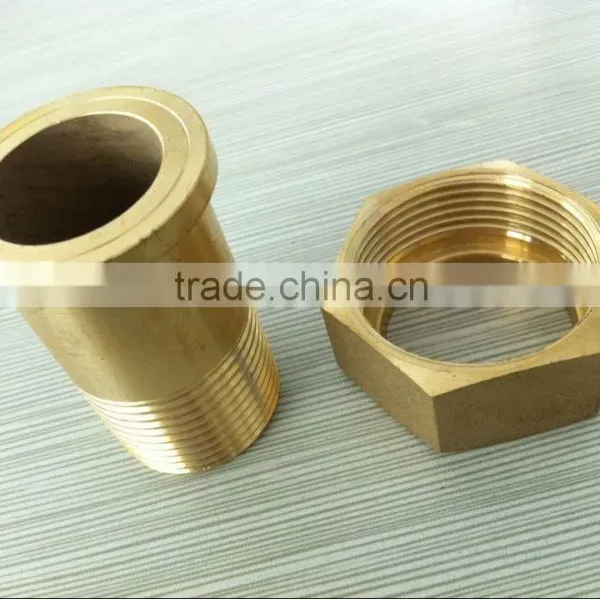
Gaoxiang's accessory catalog includes brass connectors and couplings, brass check valves, plastic strainers, and IC/RF cards. MOQs are listed as 500 pcs for brass check valves, 5,000 pcs for plastic strainers, and 100 pcs for cards, with standard meter MOQ generally 100 pcs. Confirm compatibility with the selected meter body and connection standard before ordering. See water meter accessories for the available accessory categories.
Freezing, Vibration, and Water Hammer Protection
Installation environment is part of the specification. Freezing water expands and can crack meter bodies, registers, and valves. Vibration loosens fittings and shortens register life. Water hammer creates pressure spikes that can damage internal parts, especially in piston and multi-jet meters.
Specify these protections:
- Install in a freeze-protected enclosure, vault, or interior space where freezing is possible. If the meter must be outdoors, require a manufacturer-approved freeze protection method and confirm the model's temperature limits.
- Do not install meters on unsupported pipe runs. Use pipe hangers or brackets so the meter body does not carry bending stress.
- Use flexible couplings or expansion joints where vibration is expected, but confirm they do not create excessive turbulence near the meter.
- Control water hammer with slow-closing valves, surge arrestors, or proper air management. Locate the meter away from quick-closing valves and pumps when possible.
- For remote-reading pulse-output meters, protect cables from vibration, abrasion, and water ingress. Route cables with a drip loop and strain relief.
For hot water or heat metering applications, thermal expansion and temperature limits add another layer. A heat meter installation may require specific orientation, temperature sensor positions, and straight-run distances. Confirm those details with the manufacturer rather than adapting a cold-water layout.
Commissioning Checklist for Water Meter Installation
Commissioning is where many installation problems are discovered or hidden. A written commissioning checklist should be part of the project specification, and the results should be recorded with the meter serial number and initial reading.
- Flush the service line before installing the meter. Debris left in the pipe can clog the strainer or damage the measuring element.
- Verify flow direction. Most meters have an arrow on the body. Installing against flow will cause inaccurate registration or no registration.
- Check that the meter is full of water and free of air. Open valves slowly to avoid water hammer.
- Leak-test all connections at normal operating pressure. Check both meter couplings and any strainer or valve joints.
- Record the initial meter reading, serial number, model, size, date, and installer. Photograph the installed meter and register.
- Confirm register or electronic display is readable and accessible. For prepaid meters, test valve control and card reading. For remote-reading meters, verify pulse output or communication signal at the receiving device.
- Compare low-flow registration if required by the project. A controlled draw test can reveal installation issues before occupancy.
If the project uses AMR or AMI, commissioning should include signal strength, pulse factor, and data validation at the head-end. General AMR/AMI systems may use LoRaWAN, NB-IoT, or M-Bus, but the actual communication method must be confirmed for the selected meter and project. Do not assume a pulse-output meter is plug-and-play with every AMR system.
Common Water Meter Installation Mistakes That Void Accuracy
These mistakes are common in commercial and utility projects. Each one can reduce accuracy, shorten service life, or create disputes over billing.
- Wrong orientation: Installing a horizontal-only meter vertically because the pipe run was easier.
- Short straight pipe: Placing an elbow or valve directly upstream of the meter, creating swirl and low-flow error.
- No strainer or wrong strainer: Allowing debris to reach a piston, single-jet, or multi-jet measuring chamber.
- Bad valve placement: No isolation valve, or a bypass that is left open or unsealed.
- Air in the line: Installing at a high point where air collects, causing over-registration in some meter types.
- Freeze exposure: Leaving a meter in an unheated outdoor vault without approved freeze protection.
- Unsupported pipe: Letting the meter carry the weight of connected piping, which can distort the body or cause leaks.
- Wrong pulse factor: Misprogramming a remote-reading meter's pulse value in the AMR/AMI system.
- No commissioning record: Failing to document initial reading and test results, making later accuracy disputes harder to resolve.
If you are evaluating suppliers, ask for installation manuals, submittal drawings, and model-specific orientation requirements for every meter family you plan to use. A manufacturer that can provide clear installation documentation is easier to specify and easier to support in the field.
Send Your Water Meter Installation Specification to the Manufacturer
If you are preparing a project specification, send the details to the manufacturer early: pipe size, flow range, orientation, water quality, communication method, valve control requirement, and available space. Gaoxiang Water Meter can review the application and recommend a suitable mechanical, smart, prepaid, ultrasonic, heat, or remote-reading meter from its catalog. According to the company's official statements, all water meters hold ISO 4064 regulation approval certificates. The company states it is ISO 9001:2008 certified and complies with National Regulations for testing and metrology calibration. Gaoxiang does not claim NSF, lead-free, potable-water, or any US drinking-water approval for any model, so buyers who require those approvals should verify local listings separately.
Contact Mrs. Aileen Shao, Sales manager, at +86-539-8121218 or [email protected], or visit the contact page to send your specification. Confirm lead time with the sales team. Standard MOQ is generally 100 pcs for most meters and cards, and prices are negotiable based on order details.
Frequently asked questions
Does water meter installation orientation affect accuracy?
Yes. Most mechanical meters are calibrated for horizontal installation. Vertical mounting may be allowed, but low-flow accuracy can shift and wear patterns may change. The project specification should require the manufacturer to approve the exact model, size, and orientation in writing. For ultrasonic and electronic-register meters, orientation may be more flexible, but full-pipe conditions and straight runs still matter.
What straight pipe length should I specify for water meter installation?
Use the manufacturer's published requirement for the exact meter. A widely used rule of thumb is 10 pipe diameters upstream and 5 downstream, but turbine and ultrasonic meters often need more — always confirm against the meter datasheet. The specification should prohibit valves, elbows, reducers, and tees inside the required straight runs. If space is tight, require a written alternative from the manufacturer.
Can a water meter be installed outdoors in freezing conditions?
Only with protection. Freezing water can crack bodies, registers, and valves. Specify a freeze-protected vault, enclosure, or interior location. If outdoor installation is required, use a manufacturer-approved freeze protection method and confirm temperature limits for the model. Remote-reading and smart meters also need cable and register protection from moisture and temperature extremes.
Do Gaoxiang water meters carry NSF or US drinking-water approvals?
No. Gaoxiang does not claim NSF, lead-free, potable-water, or any US drinking-water approval for any model. Company statements say all water meters hold ISO 4064 regulation approval certificates, and that the company is ISO 9001:2008 certified and complies with National Regulations for testing and metrology calibration. Buyers who need NSF or US potable-water listings must verify those approvals independently for the specific project.